 EN
EN  PT
PT  CH
CH  AR
AR 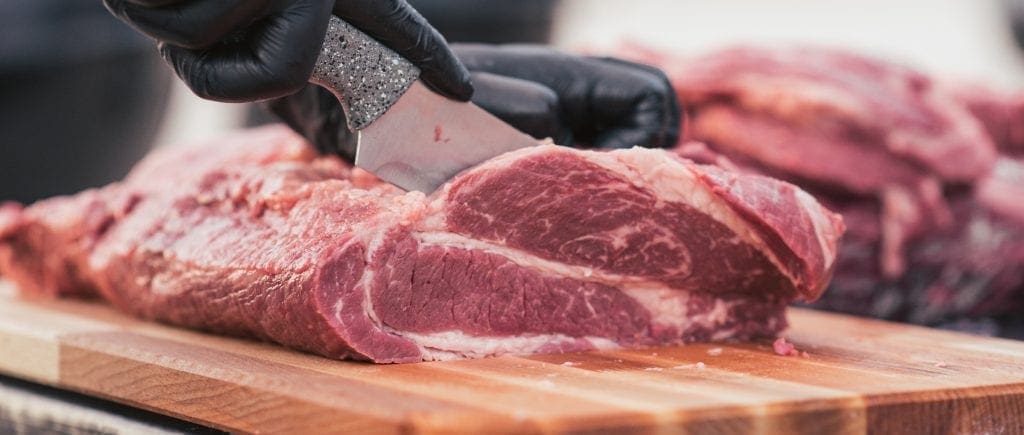
📈 Live Cattle Prices Reach Historic Levels in Brazil
Brazil’s live cattle prices (boi gordo) reached their highest level since 1997 in April, marking a significant shift in the country’s beef market. This sharp increase has directly impacted beef prices, making the product more expensive for both domestic consumers and international buyers.
As a result, the price gap between beef and other animal proteins, especially pork, has widened considerably.
📊 Pork Gains Price Advantage Over Beef
According to data from Cepea, pork has reached its largest price advantage in four years.
Currently:
- Consumers can purchase approximately 2.46 kilograms of pork for the same price as 1 kilogram of beef
This shift reflects changing consumption patterns, especially in price-sensitive markets, where alternative proteins become more attractive.
🐄 Lower Supply and Herd Retention Drive Prices Up
The increase in cattle prices is largely explained by structural factors in Brazil’s livestock cycle:
- Reduced availability of cattle for slaughter
- Retention of breeding females (herd rebuilding cycle)
- Rising cattle values, with prices around R$ 365 per arroba in key regions such as Araçatuba and Barretos (São Paulo)
Despite an overall increase in production volume, the limited supply of finished cattle continues to push prices upward.
🌍 Exports and China Demand Add Pressure to the Market
The Brazilian beef market is also being strongly influenced by international demand, particularly from China, which remains the country’s largest importer.
Export growth has:
- Reduced domestic supply availability
- Increased price competitiveness in global markets
- Strengthened Brazil’s role as a key global beef supplier
However, this dynamic has also contributed to higher prices within the domestic market.
🚢 Impact on the Meat Processing Industry
The rise in cattle prices is putting pressure on Brazil’s meat processing industry, forcing companies to adapt their operations. Key impacts include:
- Reduced margins for slaughterhouses
- Operational adjustments and cost optimization
- Strategic shifts in supply and export focus
This scenario highlights the growing complexity of the global meat supply chain, where pricing, logistics, and international demand are deeply interconnected.
🚀 Global Implications for the Protein Market
Brazil’s cattle cycle and price movements have broader implications for the global protein market, including:
- Increased demand for alternative proteins (pork and poultry)
- Price adjustments across international markets
- Greater importance of supply chain efficiency and sourcing strategies
As one of the world’s leading beef producers and exporters, Brazil plays a central role in shaping global protein pricing trends.
Source: CNNBRMoney